Book your Online Consultation
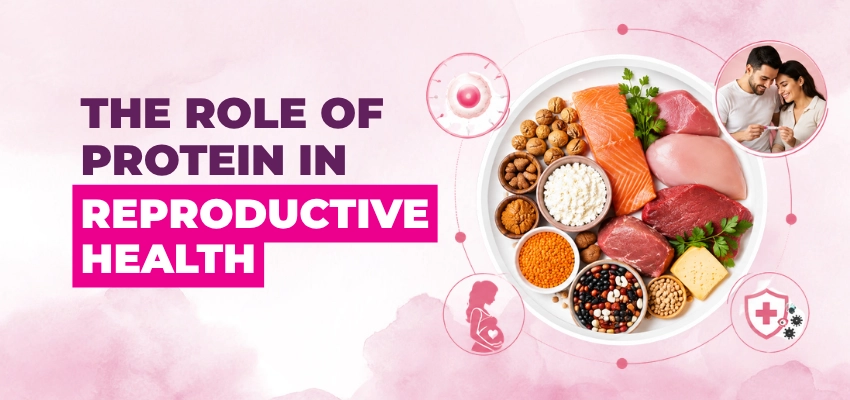
Protein rarely gets the spotlight in fertility conversations — folate, iron, and omega-3s tend to take center stage. But protein plays a foundational role in hormone production, egg and sperm quality, and overall reproductive function. Whether you're trying to conceive, supporting a healthy cycle, or simply optimizing your diet for long-term wellness, understanding how protein fits into the picture can make a real difference.
Why Protein Matters for Fertility
Protein is made up of amino acids, which are the building blocks your body uses to produce hormones, enzymes, and new cells. Reproductive health depends heavily on this process:
- Hormone production: Many reproductive hormones, including luteinizing hormone (LH) and follicle-stimulating hormone (FSH), are protein-based and require adequate amino acid intake to be synthesized properly.
- Egg and sperm development: Both egg maturation and sperm production are cell-intensive processes that rely on protein for cellular repair and growth.
- Blood sugar and insulin regulation: Protein helps stabilize blood sugar levels, which is closely tied to ovulatory function, especially in conditions like PCOS.
- Tissue repair and uterine lining support: Protein supports the growth and repair of the uterine lining (endometrium), which is essential for implantation.
- Animal protein (meat, poultry, eggs, dairy) provides complete amino acid profiles but has been associated with higher risks of ovulatory infertility when consumed in excess, particularly from processed and red meat sources.
- Plant protein (legumes, beans, lentils, nuts, seeds, tofu) has been linked to improved ovulatory function in several studies. Replacing even a small portion of daily animal protein with plant protein may support more regular ovulation.
- Balanced approach: Most fertility-focused nutrition guidance doesn't recommend eliminating animal protein but rather emphasizing a better ratio of plant-to-animal protein sources, along with high-quality options like fish, poultry, and eggs.
- Sperm production: Amino acids like L-carnitine, L-arginine, and zinc-bound proteins are directly involved in sperm motility and count.
- Antioxidant protection: Certain protein-rich foods (like eggs, fish, and lean meats) also deliver antioxidants and micronutrients that protect sperm from oxidative stress.
- Weight and hormone balance: Adequate protein intake supports healthy testosterone levels and body composition, both of which influence fertility.
- General recommendation: Roughly 0.8–1.2 grams of protein per kilogram of body weight per day for most adults.
- Trying to conceive: Some fertility nutrition specialists suggest slightly higher intake (closer to 25–30% of daily calories) to support hormone production and tissue repair.
- Spread throughout the day: Distributing protein across meals — rather than consuming most of it at dinner — may help with more stable blood sugar and hormone regulation.
- Lentils, chickpeas, and black beans
- Tofu, tempeh, and edamame
- Eggs
- Fatty fish (salmon, sardines, mackerel)
- Greek yogurt and cottage cheese
- Nuts and seeds (almonds, walnuts, pumpkin seeds)
- Quinoa
- Poultry (in moderation, as part of a balanced plate)
- Persistent fatigue or low energy
- Irregular or absent ovulation
- Slow recovery from exercise
- Difficulty maintaining muscle mass
- Increased sugar cravings due to blood sugar swings
Animal Protein vs. Plant Protein: Does the Source Matter?
Research suggests that the source of protein may influence fertility outcomes, not just the total amount consumed.
Protein's Role in Male Fertility
Protein isn't just a "women's fertility" topic — it plays an equally important role in male reproductive health.
How Much Protein Do You Actually Need?
There's no single "fertility protein number," but general guidance often falls in this range:
Best Protein Sources to Support Reproductive Health
Signs You Might Need More Protein
If you notice several of these, it may be worth reassessing your protein intake — ideally with guidance from a healthcare provider or fertility-focused dietitian.
FAQ:
Does protein really affect fertility?
Yes. Protein is essential for hormone synthesis, ovulation regulation, and reproductive tissue repair. Research has specifically linked protein source (plant vs. animal) to differences in ovulatory fertility outcomes.
Is too much protein bad for fertility?
Excessive intake of animal protein — particularly red and processed meat — has been associated with higher rates of ovulatory infertility in some studies. Balance and protein source matter more than simply maximizing intake.
What is the best protein for fertility?
Plant-based proteins like lentils, beans, and tofu, combined with high-quality sources like eggs and fatty fish, are generally considered supportive choices. Variety tends to matter more than any single "best" source.
Can a high-protein diet delay ovulation?
Very high-protein, low-carbohydrate diets can sometimes disrupt menstrual regularity in some individuals, particularly if calorie intake is too low overall. Moderation and adequate total energy intake are key.
Does protein help with egg quality?
Protein supports the cellular processes involved in egg maturation, but egg quality is influenced by many factors — including antioxidant intake, blood sugar control, and overall nutrient status — not protein alone.
How does protein affect PCOS and fertility?
Protein helps stabilize blood sugar and insulin levels, which is particularly relevant for people with PCOS, since insulin resistance is a common driver of ovulatory irregularity in this condition.
Should men increase protein intake when trying to conceive?
Adequate (not necessarily excessive) protein intake supports healthy testosterone levels, sperm production, and antioxidant protection — all relevant to male fertility.
What foods are high in protein and fertility-friendly at the same time?
Foods like salmon, eggs, Greek yogurt, lentils, and walnuts offer both protein and additional fertility-supportive nutrients like omega-3s, choline, zinc, and antioxidants.