Book your Online Consultation
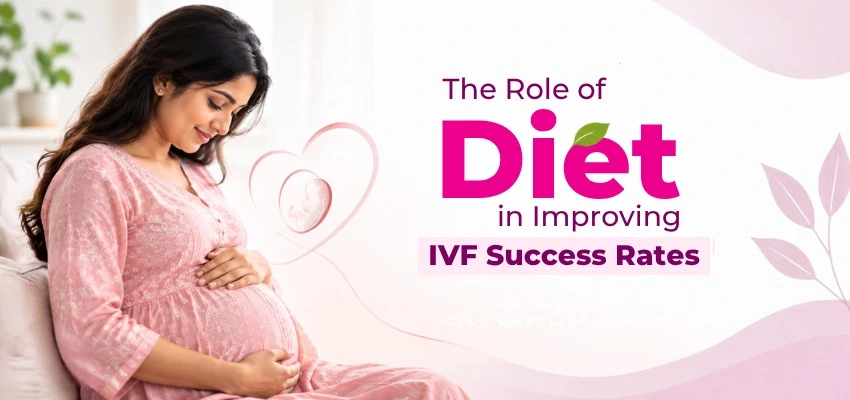
When couples begin their IVF journey, most of the focus naturally goes toward medications, scans, and clinical protocols. But one factor that's often underestimated — and entirely within a couple's control — is diet. While nutrition alone can't guarantee IVF success, a growing body of research suggests that what you eat in the months leading up to and during treatment can meaningfully influence egg quality, sperm health, hormonal balance, and even implantation outcomes.
Here's a closer look at how diet fits into the bigger picture of IVF success.
Why Diet Matters Before and During IVF
Egg and sperm cells take roughly three months to mature before they're ready for fertilization. This means the nutritional choices made in the 90 days before an IVF cycle can directly affect the quality of the eggs retrieved and the sperm used for fertilization. Similarly, the uterine lining's receptivity — a key factor in successful implantation — is also influenced by overall nutritional status, inflammation levels, and blood sugar control.
In short, diet doesn't just support general health during this stressful process — it plays a direct biological role in the cells and tissues involved in conception.
Key Nutrients That Support IVF Success
Folic Acid and B Vitamins
Folic acid is essential for healthy cell division and DNA synthesis, making it critical during the early stages of embryo development. Most fertility specialists recommend starting folic acid supplementation at least a few months before an IVF cycle, alongside other B vitamins like B12, which support hormone regulation and energy metabolism.
Antioxidants (Vitamin C, Vitamin E, Selenium)
Oxidative stress can damage egg and sperm cells, reducing their quality over time. Antioxidant-rich foods help neutralize this damage, potentially improving embryo quality. Berries, citrus fruits, nuts, and leafy greens are excellent natural sources.
Omega-3 Fatty Acids
Found in fatty fish, walnuts, and flaxseeds, omega-3s support hormone production and may improve egg quality and uterine lining thickness — both important for successful implantation.
Vitamin D
Increasingly linked to reproductive health, vitamin D receptors are present in ovarian and uterine tissue. Some studies suggest women with adequate vitamin D levels have better IVF outcomes compared to those with a deficiency, though more research is still ongoing.
CoQ10 (Coenzyme Q10)
This antioxidant plays a role in cellular energy production and is thought to support egg quality, particularly in women with diminished ovarian reserve or advanced maternal age. Many fertility specialists recommend it as a supplement in the lead-up to IVF.
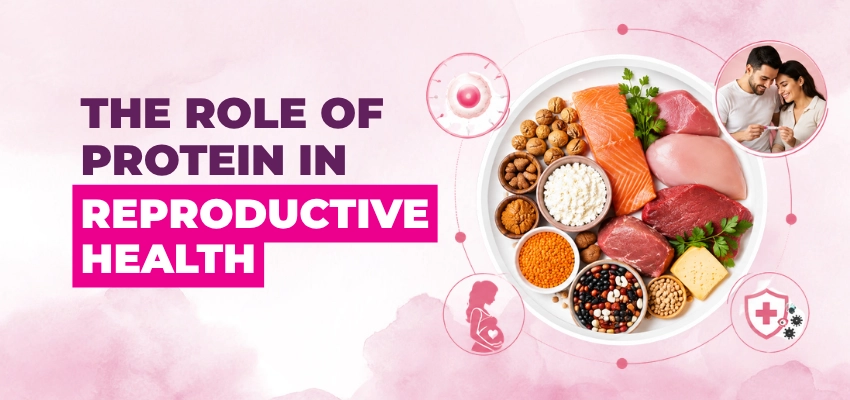
Protein and Healthy Fats
Adequate protein intake supports hormone production and tissue repair, while healthy fats (avocados, olive oil, nuts) are building blocks for reproductive hormones like estrogen and progesterone.
Foods and Habits That May Work Against IVF Success
Just as certain foods support fertility, others may work against it:
- Refined sugars and processed carbohydrates – can contribute to insulin resistance, which negatively affects ovulation and egg quality, particularly in women with PCOS
- Trans fats – found in fried and heavily processed foods, linked to lower embryo quality in some studies
- Excessive caffeine – high intake has been associated with reduced IVF success in some research, though moderate amounts are generally considered safe
- Alcohol – can affect hormone levels and egg/sperm quality, and is typically advised against during an IVF cycle
- High mercury fish – like swordfish and king mackerel, which can affect fetal development if pregnancy is achieved
The Mediterranean Diet and IVF: What the Research Shows
Among various dietary patterns studied, the Mediterranean diet — rich in vegetables, fruits, whole grains, legumes, fish, and olive oil, with limited red meat and processed food — has shown the most consistent link to improved IVF outcomes in research. This diet naturally provides many of the nutrients discussed above (antioxidants, healthy fats, and fiber) while reducing inflammation, which may create a more favorable environment for conception.
Diet's Role for Male Fertility in IVF
Diet's impact isn't limited to women. Since IVF also depends on sperm quality, especially for fertilization and embryo development, male partners benefit from similar dietary principles:
- Antioxidant-rich foods to reduce sperm DNA fragmentation
- Zinc and selenium for healthy sperm production
- Limiting alcohol, smoking, and processed foods, all of which are linked to reduced sperm quality
Since sperm also takes about three months to fully develop, dietary changes made early can meaningfully impact the sperm sample used during the IVF cycle.
Weight Management and IVF Outcomes
Both being underweight and overweight can affect hormone levels, ovulation, and IVF success rates. Diet plays a central role here — not through extreme restriction, but through balanced, sustainable eating that supports a healthy weight range. Fertility specialists often recommend addressing weight-related factors before starting an IVF cycle, since even modest changes can improve hormonal balance and treatment response.
The Bottom Line
Diet is not a guaranteed fix for IVF outcomes, and no amount of nutritional optimization can substitute for proper medical treatment. But as one of the few controllable factors in an otherwise unpredictable process, a nutrient-dense, anti-inflammatory diet — rich in antioxidants, healthy fats, and key vitamins — gives the body the best possible foundation for egg quality, sperm health, and implantation success.
For couples preparing for IVF, small, consistent dietary changes made a few months in advance can be one of the simplest, most empowering steps they take on the path to parenthood.