Book your Online Consultation
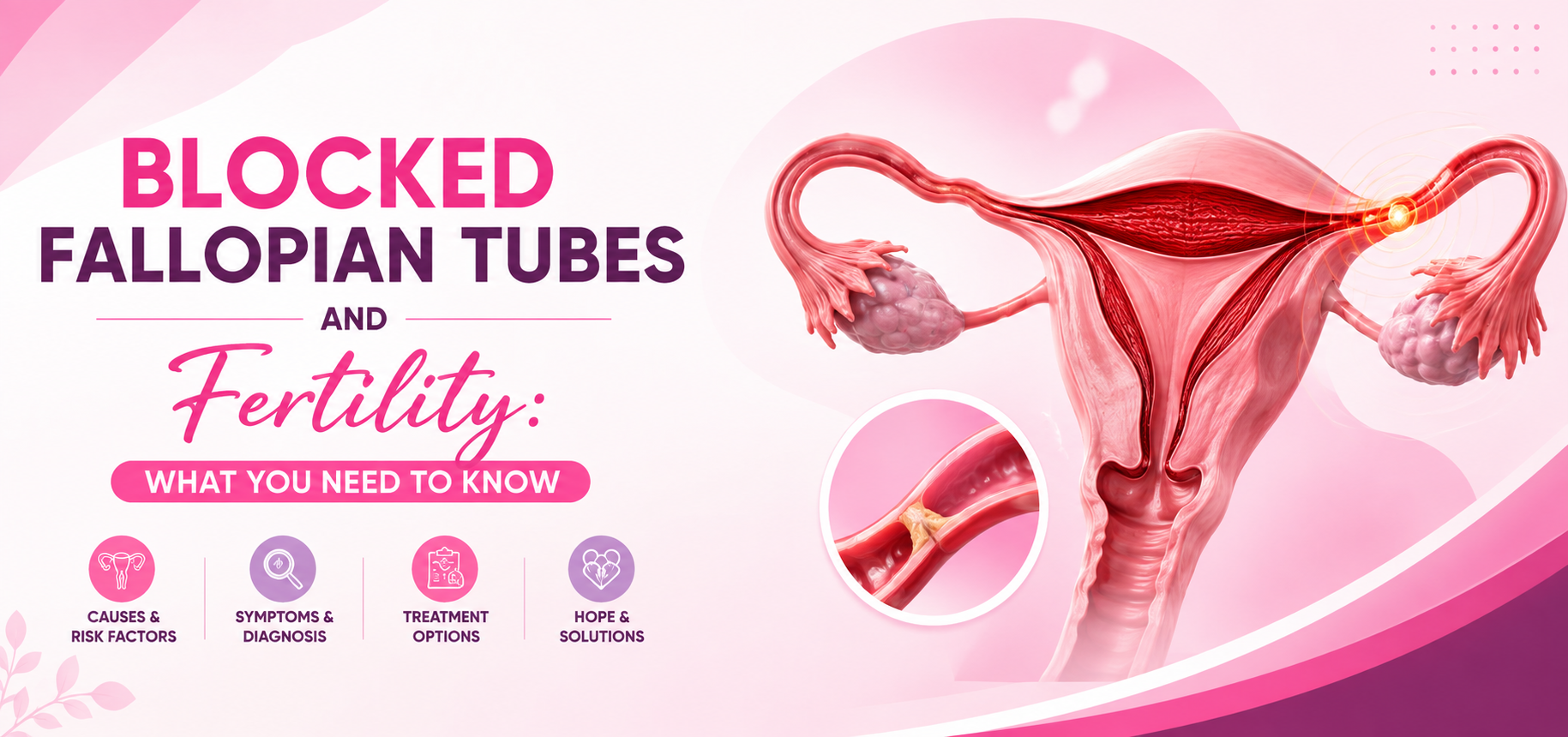
For many couples trying to conceive, months of trying without success can be confusing and frustrating — especially when everything seems "normal" on the surface. One of the most common but often overlooked causes of infertility in women is blocked fallopian tubes. Understanding what this means, why it happens, and what can be done about it is an important step toward getting the right diagnosis and treatment.
What Are Fallopian Tubes and Why Do They Matter for Fertility?
The fallopian tubes are the pathway that connects the ovaries to the uterus. Every month, an egg released from the ovary travels through the fallopian tube, where it may meet sperm and become fertilised. The fertilised egg then continues its journey to the uterus for implantation.
If one or both fallopian tubes are blocked, this natural process is disrupted — the egg and sperm may never meet, or a fertilised egg may not be able to reach the uterus. This is why blocked fallopian tubes are estimated to be a contributing factor in a significant percentage of female infertility cases.
What Causes Blocked Fallopian Tubes?
Several conditions and factors can lead to tubal blockage, including:
- Pelvic Inflammatory Disease (PID) — often caused by untreated sexually transmitted infections like chlamydia or gonorrhoea
- Endometriosis — tissue growth outside the uterus that can cause scarring around the tubes
- Previous pelvic or abdominal surgery — scar tissue (adhesions) from surgeries can block or damage the tubes
- Ectopic pregnancy — a previous pregnancy in the fallopian tube can cause lasting damage
- Fibroids — depending on location, fibroids can press on or block the tubes
- Hydrosalpinx — a condition where the fallopian tube becomes blocked and filled with fluid
In many cases, blocked tubes don't cause any noticeable symptoms, which is why the condition often goes undetected until a couple seeks help for infertility.
How Are Blocked Fallopian Tubes Diagnosed?
Since blocked tubes rarely cause obvious symptoms, diagnosis typically requires specific fertility investigations, including:
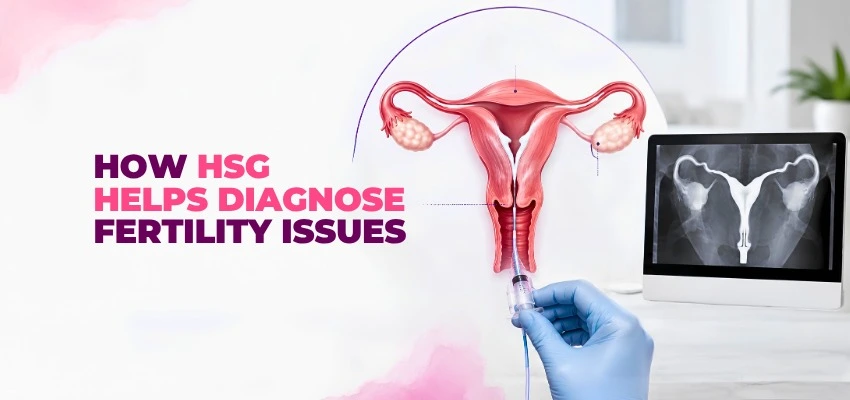
- Hysterosalpingography (HSG) — an X-ray procedure using contrast dye to check whether the tubes are open
- Sonohysterography (Saline Infusion Sonogram) — an ultrasound-based test that can help assess the uterus and tubes
- Laparoscopy — a minimally invasive surgical procedure that allows direct visualization of the tubes and can sometimes treat certain blockages at the same time
A fertility specialist will recommend the most appropriate test based on your medical history and symptoms.
Can You Get Pregnant with Blocked Fallopian Tubes?
This depends on several factors:
- If only one tube is blocked, natural conception may still be possible, since the other tube can still allow an egg to travel and be fertilised.
- If both tubes are blocked, natural conception becomes very unlikely, but this does not mean pregnancy is impossible — treatment options are available.
Treatment Options for Blocked Fallopian Tubes
- 1. Tubal Surgery In some cases, laparoscopic surgery can remove scar tissue or repair minor blockages, restoring some function to the tubes. Success depends on the location, extent, and cause of the blockage.
- 2. In Vitro Fertilisation (IVF) For many women with blocked fallopian tubes — especially when both tubes are affected — IVF is often the most effective path to pregnancy. Since IVF involves retrieving eggs directly from the ovaries and fertilising them outside the body before transferring the embryo into the uterus, it completely bypasses the fallopian tubes, making tubal blockage a non-issue in the treatment process.
- 3. Treating Hydrosalpinx Before IVF If a fallopian tube is filled with fluid (hydrosalpinx), your fertility specialist may recommend removing or clipping the affected tube before starting IVF, as fluid leaking into the uterus can reduce implantation success.
Why Expert Evaluation Matters
Because tubal blockage often has no symptoms and multiple possible causes, self-diagnosing or delaying evaluation can mean losing valuable time. A proper fertility work-up — including tubal assessment alongside hormonal, ovarian, and semen evaluation for your partner — gives a fuller picture of what's actually affecting your chances of conception, rather than assuming the cause without testing.