Book your Online Consultation
For many couples trying to conceive, the journey can feel uncertain—especially when routine tests fail to identify a clear cause. In such cases, looking deeper into the uterine environment becomes essential. This is where hysteroscopy stands out as both a diagnostic and therapeutic breakthrough in modern fertility care.
What is Hysteroscopy?
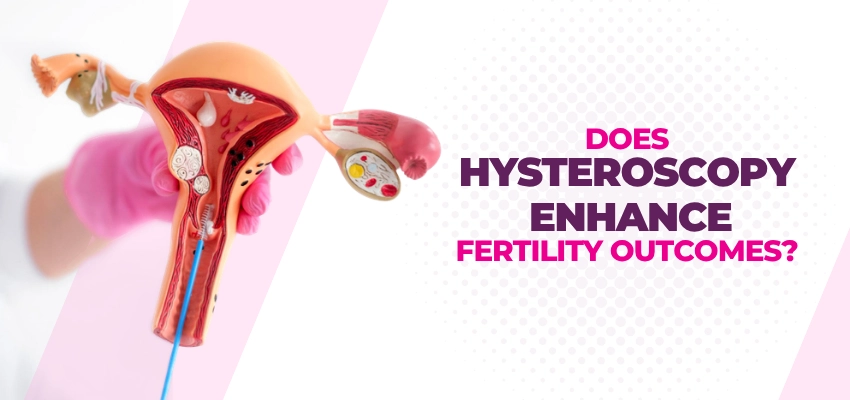
Hysteroscopy is a minimally invasive procedure that allows doctors to directly visualize the inside of the uterus using a thin, lighted instrument called a hysteroscope. Unlike traditional imaging methods, it provides real-time clarity, helping specialists detect even the smallest abnormalities that could affect implantation or pregnancy.
Why the Uterus Matters in Fertility
A healthy uterus is critical for successful conception and implantation. Even minor issues—such as polyps, fibroids, adhesions, or structural abnormalities—can interfere with embryo implantation or lead to recurrent pregnancy loss. These conditions are not always visible on ultrasound or scans, making hysteroscopy a valuable tool in uncovering hidden causes of infertility.
How Hysteroscopy Enhances Fertility Outcomes
Hysteroscopy goes beyond diagnosis—it offers immediate treatment in many cases. Here’s how it can improve fertility:
- Accurate Diagnosis: Detects intrauterine abnormalities that might be missed in routine tests
- Simultaneous Treatment: Enables removal of polyps, fibroids, or scar tissue during the same procedure
- Improved Implantation Rates: Creates a healthier uterine environment for embryo attachment
- Reduced Risk of Miscarriage: Corrects structural issues that may lead to pregnancy complications
- Better IVF Success Rates: Often recommended before IVF to optimize uterine conditions
Who Should Consider Hysteroscopy?
Hysteroscopy is particularly beneficial for:
- Women with unexplained infertility
- Those experiencing recurrent miscarriages
- Patients with failed IVF cycles
- Individuals with abnormal uterine bleeding
- Suspected uterine abnormalities from prior scans
What Makes Hysteroscopy a Game-Changer?
What truly sets hysteroscopy apart is its “see and treat” capability. Unlike other diagnostic tools that only identify problems, hysteroscopy allows doctors to diagnose and correct issues in a single sitting. This not only saves time but also accelerates the path to conception.
Additionally, its precision, minimal invasiveness, and immediate results make it one of the most efficient fertility-enhancing procedures available today. By directly improving the uterine environment, hysteroscopy significantly increases the chances of a successful and healthy pregnancy.
Final Thoughts
While hysteroscopy is not a universal solution for all fertility challenges, it plays a crucial role in identifying and resolving uterine factors that may hinder conception. For many couples, it can be the missing step that transforms uncertainty into hope.
If you’re facing difficulties in conceiving, consulting a fertility specialist about hysteroscopy could be an important step toward achieving your dream of parenthood.